

Peace and science
I visited the Nobel Peace Prize museum and it made me think about the link between peace and science.

Last weekend I was in Oslo, where I visited the Nobel Peace Prize museum in Oslo. Even though it wasn’t about the science prizes, the exhibit made me think about the link between peace and science.
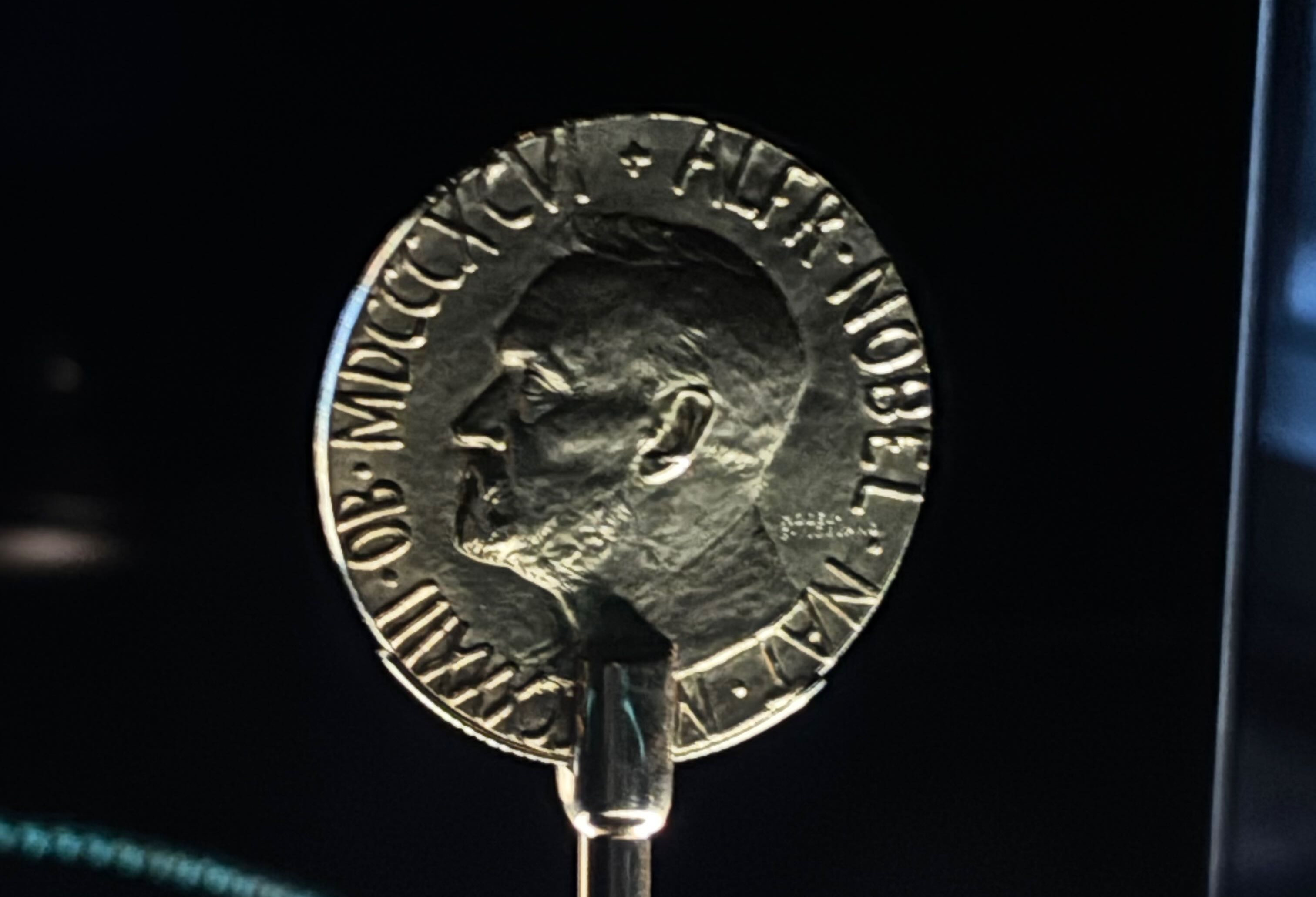
Science needs peace. It’s hard for science in general to progress meaningfully when there is conflict happening at the same time. Take Davos, for example. They could be talking about funding climate solutions, but all that made headlines this year were discussions about territorial disputes. It’s distracting from what could be achieved, and it pushes issues like climate or global health further down the agenda even though they are still just as important as ever.
According to an article in Politico:
Each year, the WEF publishes a survey of expert views on what will spark a global crisis in the year ahead. In 2024, “extreme weather” — the primary symptom of global warming — was considered the No. 1 risk to stability. In 2025 that slipped to No. 2 behind state-based armed conflict.
The other reason that science needs peace is because scientists are being displaced by wars and it’s delaying research. In the last few years alone, researchers have fled Ukraine, Syria, Yemen, Afghanistan, Palestine and other places in search of a safer place to do their research. Displacement is stressful, and there’s no way that they’re doing their best research while trying to find a new home and a new lab. Imagine all the discoveries that are not being made because the people working on bright new ideas can’t work in peace. (And that is in the best case scenario where they flee and survive.)
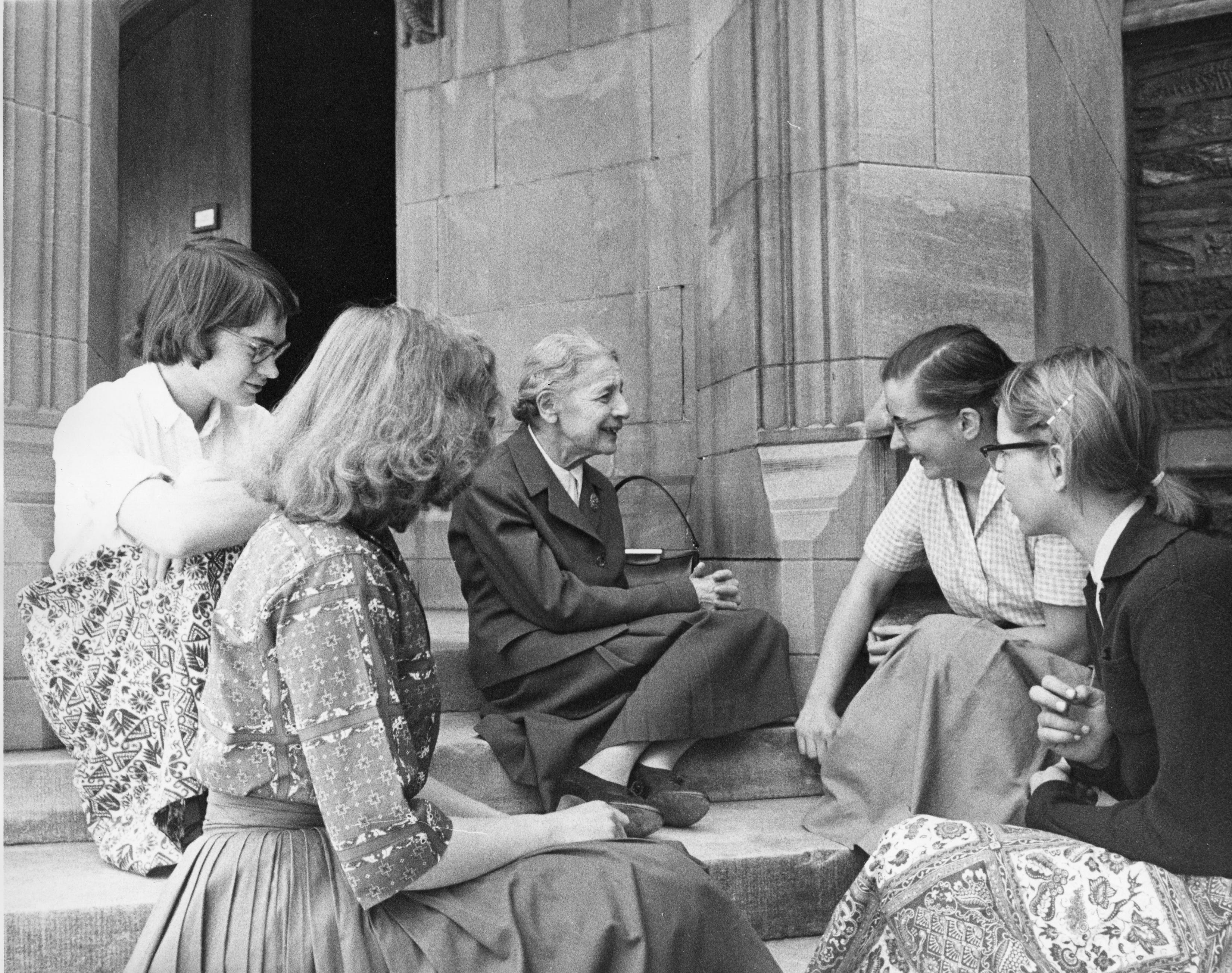
It also reminded me of the story of Lise Meitner. I wrote about her story in a writing course a few years ago, and you can find that at the bottom of this issue.
So that’s what I was thinking about while exploring the Nobel Peace Prize museum. That, and the fact that they should have just sent Trump one of the chocolate peace medals that they sell in the gift shop there. I bought one for myself, because despite not winning a real Peace Prize, I still “felt an obligation to think purely of Peace”.
Interesting Links
Why sinking cities may now be a bigger climate crisis than rising seas. By Tom Howarth for BBC Science Focus
Ann Druyan on How NASA’s Golden Records Got Made. Comic by Mikael Angelo Francisco in Nautilus
The academic community failed Wikipedia for 25 years — now it might fail us. By Dariusz Jemielniak in Nature
Want to live a longer, healthier life? Science says start picking up heavy things. By Jeff Haden for Inc. (To be honest, this reminded me of Nathan Fielder’s “The Movement”)
The community group rethinking LA’s approach to wildfires. Science Friday podcast
Lise Meitner - refugee scientist
(I wrote this years ago for a writing course that encouraged us to be descriptive, so it’s heavy on the adjectives and not really how I’d usually write.)
On Christmas Eve, 1938, sitting on a tree trunk in the snow in Sweden, Lise Meitner and her nephew Otto Frisch figured out the mechanism of nuclear fission. They had gone for a walk during a family holiday to discuss a letter Meitner had received from her colleague Otto Hahn. He asked for her opinion on a strange scientific phenomenon he had discovered.
